
Routine Maintenance That Extends System Lifespan
Septic Tank Pumping in Coopersville and surrounding areas for residential properties, commercial facilities, and agricultural operations requiring regular service to prevent backups
Midwest Septic and Excavating provides septic tank pumping in Coopersville, Howard City, Caledonia, or a neighboring community to remove accumulated solids before they overflow into drain fields and cause expensive system failures. Tanks fill with sludge at the bottom from heavy solids and scum at the top from fats and oils, gradually reducing the volume available for wastewater treatment and increasing the risk that solids escape through the outlet baffle into distribution lines. Routine pumping every three to five years depending on household size, water usage, and garbage disposal use prevents solids from reaching the drain field where they clog soil pores and destroy absorption capacity that cannot be restored without drain field replacement.
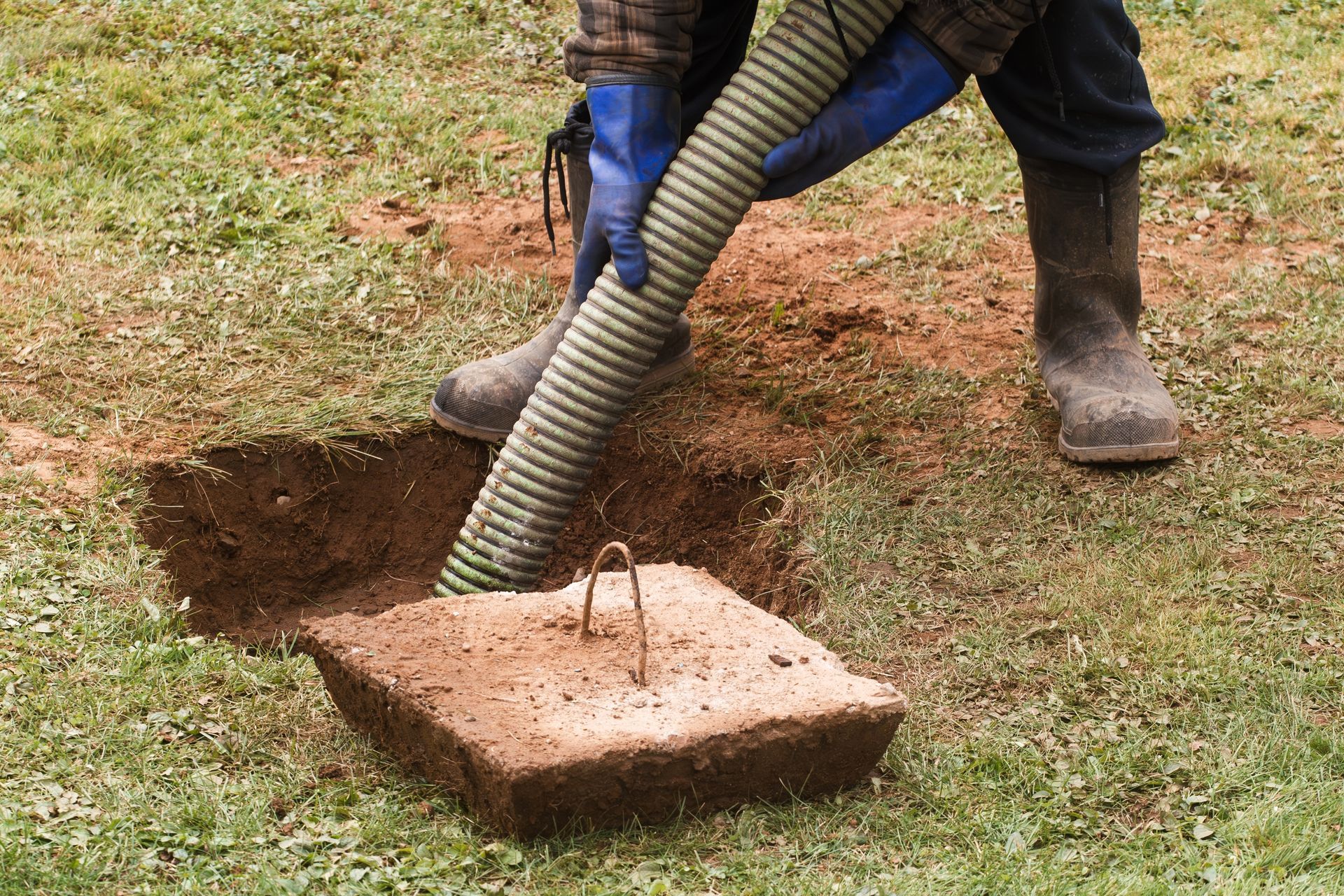
The service involves locating and uncovering tank access lids, pumping all contents from both compartments of multi-chamber tanks, and inspecting internal baffles and components for damage while the tank is empty. Pumping schedules vary based on occupancy, with larger households generating more wastewater and solids that require more frequent service, and smaller households potentially extending intervals without risking overflow.
Schedule routine pumping service to maintain your system and prevent costly emergency repairs.
What Proper Maintenance Requires
Effective septic pumping removes both liquid and solid material from all tank compartments rather than just skimming the surface, which leaves behind settled sludge that continues to accumulate and eventually reaches outlet levels where it flows into the drain field. Complete removal creates maximum storage volume for the next service interval and allows inspection of tank walls, inlet and outlet baffles, and the separation wall between compartments to identify cracks, corrosion, or missing components before they cause system failures.
After pumping, your tank has full capacity restored for wastewater treatment and settling, the risk of solids escaping into your drain field is eliminated for the next several years, and you receive information about any components showing wear or damage that may require future attention. Regular maintenance protects the drain field by ensuring only clarified effluent reaches distribution lines, which preserves soil absorption capacity and extends total system lifespan.
The service includes residential properties with standard septic systems, agricultural operations with larger capacity tanks handling barn waste or milk house wastewater, and commercial facilities requiring documented maintenance for regulatory compliance. Maintenance records help property owners track service intervals and demonstrate compliance when selling property or responding to health department inquiries.
What Homeowners Need to Know About Pumping
Pumping questions usually address service frequency, timing considerations, and how maintenance prevents problems that lead to expensive repairs or drain field failure.
Midwest Septic and Excavating services residential, agricultural, and commercial septic systems throughout Coopersville and surrounding areas with routine pumping that prevents system failures and extends infrastructure lifespan. Call us to schedule service or discuss maintenance intervals appropriate for your property's usage patterns.
How often should septic tanks be pumped?
Most residential tanks require pumping every three to five years, with frequency determined by household size, daily water usage, and whether you use a garbage disposal that increases solid accumulation, and larger households or heavy use patterns require more frequent service.
What happens if a tank is not pumped regularly?
Neglected tanks fill with solids that eventually overflow into the drain field, clog distribution lines and soil pores, prevent effluent absorption, and cause backups or surfacing that require drain field replacement costing many times more than routine pumping service.
How does pumping protect the drain field?
Pumping removes solids before they reach outlet levels and flow into drain field lines where they clog perforations, coat gravel bedding, and seal soil surfaces with an impermeable biomat that prevents wastewater infiltration and destroys treatment capacity.
When is the best time to schedule pumping in Coopersville?
Septic pumping can occur year-round, but scheduling during drier months makes tank access easier when lids are not buried under snow or surrounded by saturated soil, and fall pumping before winter freezing ensures maximum capacity during months when household water use often increases.
What should be checked during pumping service?
While the tank is empty, technicians should inspect inlet and outlet baffles for damage or detachment, check tank walls for cracks, verify the separation wall between compartments is intact, and measure sludge depth after pumping to confirm complete removal rather than partial service.